
Portfolio

Dental bridge: Everything you need to know
A dental bridge is a type of dental restoration used to replace one or more missing teeth. It consists of artificial teeth that blend seamlessly with natural teeth, providing both aesthetic and functional benefits. Dental bridges are typically anchored to adjacent teeth, enhancing stability and ease of use.
Patients seeking a dental bridge may consult a prosthodontist, a specialist in tooth restoration, or a general dentist who can perform the procedure. There are various types of bridges, including traditional bridges that utilize crowns on surrounding teeth, as well as cantilever and Maryland bridges that offer different anchoring methods. Each option aims to fill the gap in a person's smile effectively while preserving oral health.
Benefits of Dental Bridges
- Improved appearance and smile confidence
- Restored ability to chew and speak properly
- Prevention of adjacent teeth from shifting
- Distribution of bite forces evenly
Choosing the right option for a dental bridge can significantly enhance one's dental health and overall well-being. It is essential to discuss with a dental professional to determine the most suitable solution.
What to know about glossitis

Understanding Glossitis
Glossitis is a condition characterized by inflammation of the tongue, which often leads to swelling and changes in color and surface texture. This inflammation causes the small bumps found on the surface of the tongue, known as papillae, to shrink, resulting in a shiny, red appearance.
Symptoms and Impact
In more severe cases, glossitis can be painful and may significantly affect an individual's ability to talk or eat. This discomfort can hinder daily activities and impact overall quality of life.
Types of Glossitis
There are various forms of glossitis, each with distinct characteristics:
- Acute Glossitis: This type often appears suddenly and can present severe symptoms.
- Chronic Glossitis: This form is characterized by long-term inflammation, usually stemming from an underlying health issue.
Understanding the types and symptoms of glossitis is crucial for recognizing the condition and seeking appropriate medical attention.
What to know about antibiotics and tooth infections

The Importance of Treating Dental Infections
When an infection occurs in the mouth, it results in the formation of a pocket of pus due to a bacterial overgrowth. This condition often leads to symptoms such as swelling, pain, and sensitivity in the affected area. If left untreated, the infection has the potential to spread to other regions, including the jaw and even the brain, highlighting the critical need for timely dental intervention.
Understanding Dental Decay
Dental decay and cavities are prevalent issues affecting oral health. Studies indicate that up to 91% of adults between the ages of 20 and 64 have experienced cavities. Furthermore, approximately 27% of individuals in this demographic are living with untreated tooth decay. Addressing tooth decay promptly is essential not only for preserving oral health but also for preventing potential infections that can arise from neglect.
Why Early Treatment is Crucial
- Reduces pain and discomfort.
- Prevents the spread of infection.
- Maintains overall oral hygiene.
- Avoids more extensive and costly treatments in the future.
For more information on maintaining oral health, visit Dental Care Resources.
Why does my tooth still hurt after a filling?
Understanding Tooth Sensitivity After a Filling
Tooth sensitivity after a filling is a common issue that many individuals experience. Most of the time, this sensitivity is normal and tends to resolve within a few days or weeks. However, it is important to be aware of when to seek professional help.
When to Contact a Dentist
A person should call their dentist immediately if they experience extreme pain. Additionally, discomfort accompanied by other symptoms such as fever, redness, or swelling may indicate an underlying issue that requires prompt attention.
Reasons for Tooth Sensitivity
There are several reasons why tooth sensitivity may occur after dental work:
- Inflammation: Tissue around the tooth may become inflamed following a filling.
- Temperature Sensitivity: Your newly filled tooth might react to hot or cold foods and drinks.
- Changes in Bite: Adjustments in your bite due to the filling can cause temporary sensitivity.
Treating Tooth Sensitivity
Several at-home remedies can help alleviate tooth sensitivity, including:
- Using desensitizing toothpaste.
- Avoiding extremely hot or cold foods.
- Maintaining good oral hygiene practices.
For persistent sensitivity, visiting a dentist is essential to rule out any serious conditions.
Other Possible Causes of Tooth Sensitivity
Tooth sensitivity can also stem from a variety of other factors. These may include gum recession, tooth decay, or even bruxism (teeth grinding). Understanding the root cause is critical for effective treatment.
Learning about the potential reasons and remedies for sensitivity can help in managing discomfort and ensuring dental health.
Understanding Dental Fillings
A filling is a dental procedure designed to restore a tooth that has been damaged due to decay. This essential treatment involves cleaning out the decayed part of the tooth and filling it with a suitable material to restore its shape and function.
The Procedure
The process begins with the dentist administering a numbing agent around the affected tooth to ensure comfort during the procedure. Following this, the dentist uses a dental drill to carefully remove any decay from the tooth. Once the area is cleaned, the dentist fills the space with one of several materials, including:
- Gold
- Silver amalgam
- Composite resin
- Porcelain
Post-Procedure Sensations
After receiving a filling, it is common for individuals to experience numbness, tingling, or puffiness in the face for several hours as the anesthesia wears off. While these sensations can be unsettling, they are usually temporary and will subside as the numbing agent dissipates. If discomfort persists, it is important to consult with the dentist.
Sensitivity After a Filling: What to Expect
After receiving a dental filling, it is common for some individuals to experience temporary sensitivity in the filled tooth.
Common Triggers of Sensitivity
Factors that can lead to tooth sensitivity after a filling include:
- Cold foods or drinks, such as ice cream, popsicles, or beverages with ice.
- Hot drinks, including coffee or tea.
- Exposure to air hitting the tooth.
This temporary discomfort typically subsides as the tooth heals. However, if sensitivity persists or worsens, it is advisable to consult with a dental professional for further evaluation.
What is the soft palate?
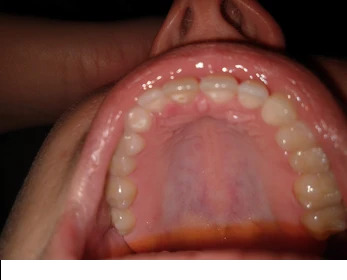
The hard and soft palates make up the roof of the mouth. The hard palate is located at the front and holds the teeth and gums, while the soft palate is situated at the back of the mouth.
The soft palate is a fleshy area that does not contain any bone and ends in the uvula. The uvula is the small, fleshy projection that hangs down from the soft palate and is visible when a person opens their mouth. Its primary function is to block the nasal cavity during eating or drinking, preventing food or liquid from entering the nasal passages.
Comprising muscle and connective tissue, the soft palate plays a crucial role in various functions such as swallowing, speaking, and breathing. Understanding the anatomy and functions of the hard and soft palates is essential for recognizing their importance in overall oral health.
Everything you need to know about fluoride treatment

Understanding Fluoride Treatments
Fluoride treatments are typically dental procedures that involve the application of fluoride to the teeth to enhance their strength and durability. These treatments can be delivered in several forms, including gels, foams, and varnishes, and are usually administered by a dental professional during routine check-ups.
Benefits of Fluoride Treatments
The primary benefit of fluoride treatments is their ability to significantly reduce the risk of tooth decay. Fluoride works by remineralizing weakened tooth enamel, making it more resistant to acid attacks from bacteria in the mouth. Some key benefits include:
- Reducing the incidence of cavities and decay.
- Helping to reverse early signs of tooth decay.
- Providing additional protection for individuals at higher risk of dental issues.
Potential Side Effects
While fluoride treatments are generally safe, they may not be suitable for everyone. Some possible side effects include:
- Fluorosis, which can cause discoloration of teeth if too much fluoride is ingested during childhood.
- Temporary dental sensitivity following treatment.
- Occasional allergic reactions in very rare cases.
Recommendations for Treatment
Dental professionals typically recommend fluoride treatments for children, as they are still developing their permanent teeth. However, adults at risk of tooth decay can also benefit from these treatments. It is essential to consult a dental care provider to determine individual needs and the best course of action.
Causes and treatment of gingivitis

Understanding Gingivitis: Causes, Symptoms, and Treatment
Gingivitis is a common and non-destructive type of periodontal disease. If left untreated, however, it can progress to a more severe form known as periodontitis. Recognizing the signs and taking early action is crucial for maintaining oral health.
Signs and Symptoms
Some of the most noticeable signs of gingivitis include:
- Red and puffy gums
- Gums that bleed easily during brushing or flossing
- Persistent bad breath
In mild cases, patients may be unaware of their condition due to the subtlety of symptoms. Regular dental check-ups are essential to identify and address gingivitis early on.
Treatment and Prevention
Good oral hygiene practices are often effective in resolving gingivitis. Recommended methods include:
- Brushing teeth thoroughly at least twice a day
- Flossing daily to remove plaque buildup between teeth
- Using an antiseptic mouthwash to help eliminate bacteria
By maintaining consistent oral hygiene, individuals can effectively combat gingivitis and promote healthier gums.
Causes of Gingivitis
The most common cause of gingivitis is the accumulation of bacterial plaque between and around the teeth. This plaque triggers an immune response, which can eventually lead to the destruction of gingival, or gum, tissue. If left untreated, it may also result in further complications, including the loss of teeth.
Dental plaque is a biofilm that accumulates naturally on the teeth and is typically formed by colonizing bacteria that attempt to adhere to the smooth surface of a tooth. Regular dental hygiene practices, such as brushing and flossing, are essential to managing plaque buildup and preventing gingivitis.